
Table Of Content
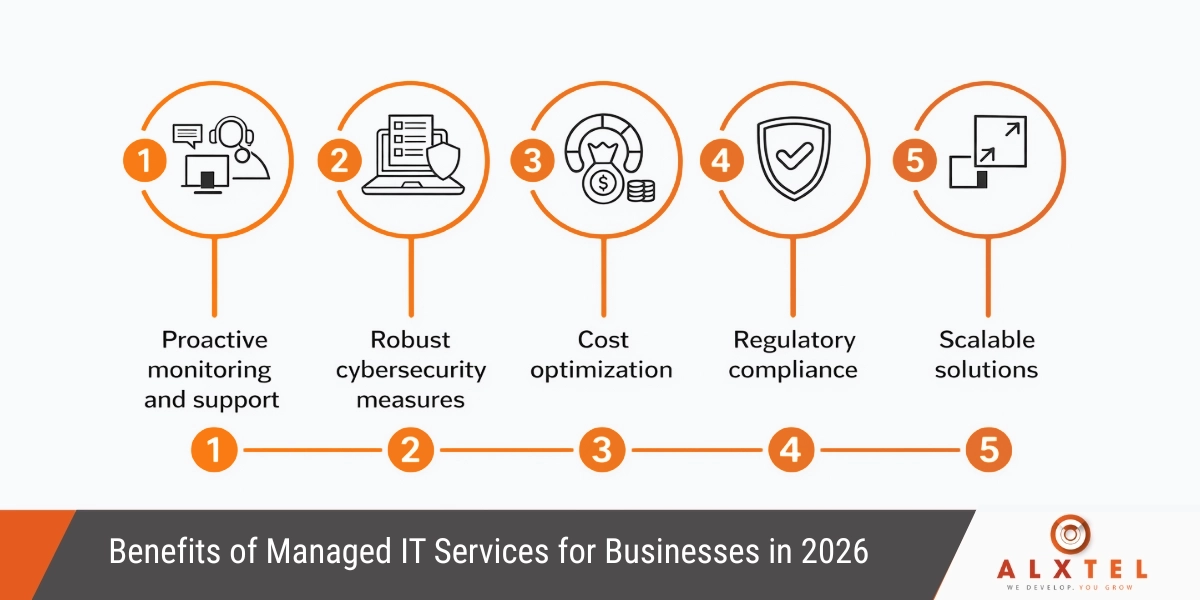
In 2026, as a business owner you will face more technology demands, complex than ever before. As you start to grow with your digital presence. You might face frequent cybersecurity threats. This also involves rising IT costs and ongoing infrastructure challenges. Such an environment demands understanding of Managed IT services benefits. Which are crucial for business leaders since they aim to streamline business operations. They have to do this while also controlling the expenses. Managed IT services means outsourcing your business’s IT management to a professional. Such providers are called Managed Service Provider (MSP). MSPs help shift your IT from a reactive cost center to a proactive strategic asset that supports growth.
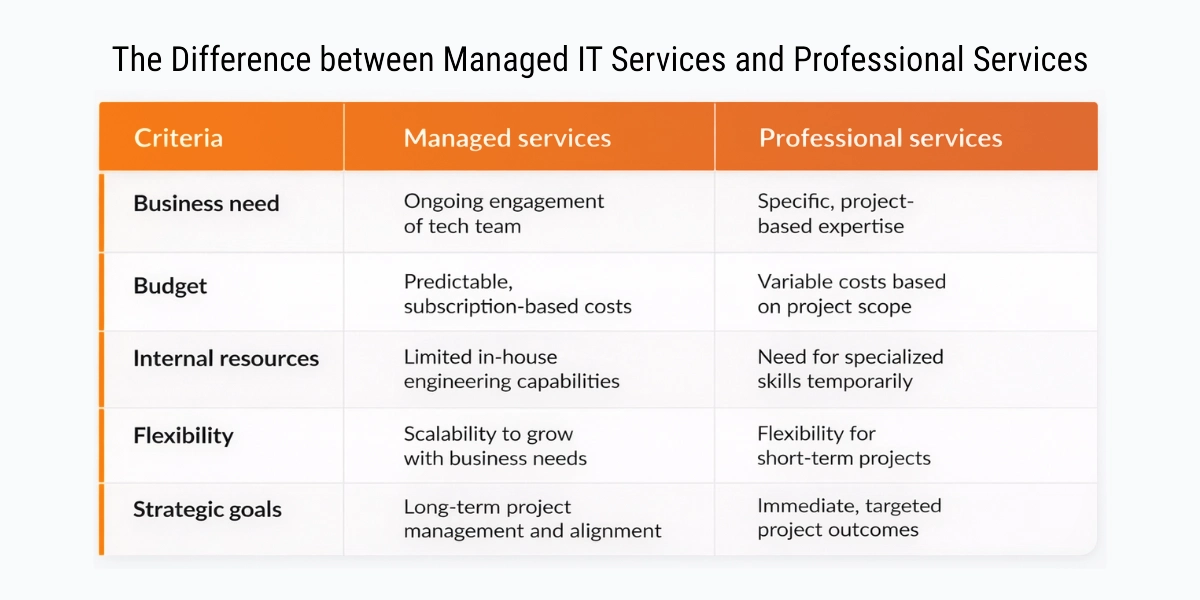
Predictable budgeting is one of the biggest benefits of using Managed IT Services. And its not the same as a general unpredictable emergency repair. Instead of an unplanned capital investment, such businesses pay a fixed monthly fee. This amount is to cover ongoing IT support. It also includes maintenance and monitoring. This type of predictable model shortens budgeting paths and reduces costly surprises. If you partner with an MSP, it gives your company access to specialized technical expertise. These could be ranging from cloud computing to cybersecurity. Many in-house teams struggle to maintain these on their own.
Moreover, outsourcing IT allows internal teams to focus on core business goals rather than daily technical tasks, ultimately boosting productivity and innovation.
Managed IT Services Benefits involves Cost-Effectiveness
One of the most significant Managed IT Services Benefits is cost efficiency, which has become a priority for businesses operating in 2026. Instead of hiring and maintaining a full internal IT team, companies can partner with a Managed Service Provider (MSP) to gain predictable, scalable IT support. For example, an internal IT technician’s total annual cost, including salary, benefits, training, and tools can easily reach $65,000 or more, depending on location and expertise. Conversely, MSP pricing models typically charge per user or per device, often resulting in lower total expenses for small to mid-sized businesses. A managed IT services cost review from 2025 can help greatly to understand the impact.
In addition to predictable monthly fees, MSPs help businesses avoid unexpected costs related to emergency fixes, system failures, or expensive hardware upgrades. Rather than investing in costly upfront infrastructure, companies can use subscription-based services that include monitoring, updates, and strategic planning. This cost model supports budgeting and reduces the financial strain of sudden IT issues.
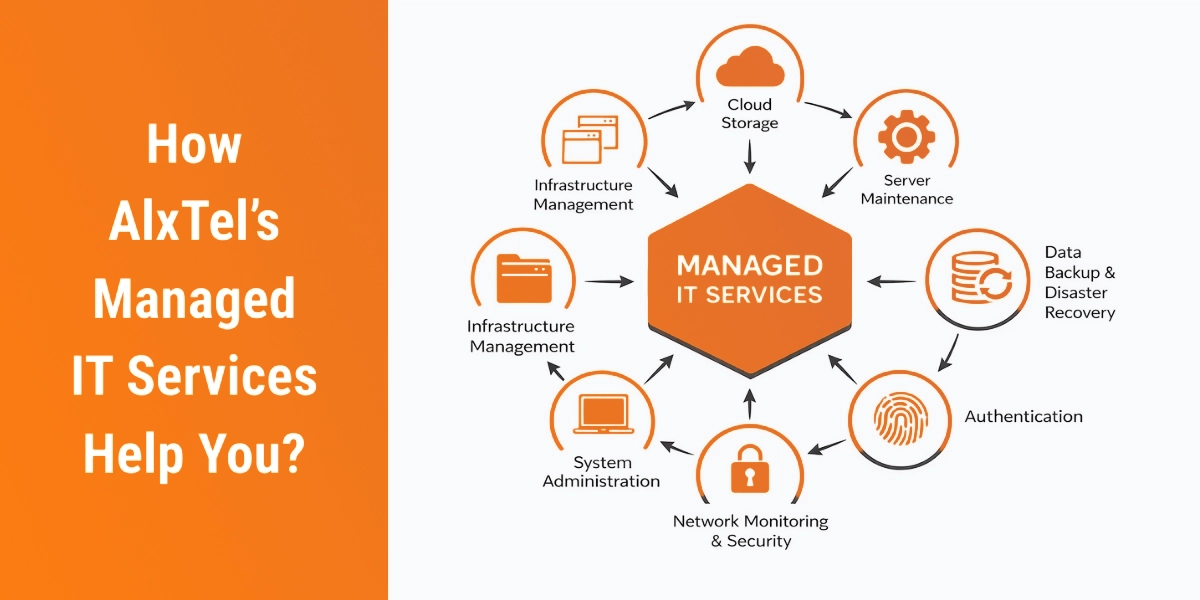
Moreover, MSPs often bundle essential services such as security, data backup, and cloud management into one integrated package. This means businesses receive comprehensive IT coverage without paying separate fees for each service, another clear Managed IT Services Benefit. Outsourcing IT management lets businesses transform fixed capital expenses into a controlled operational investment, while still accessing high-quality expertise and support. This makes managed IT an increasingly attractive option for companies looking to optimize technology spend in 2026.
No More Costly Downtime with an MSP
Another major advantage businesses experience in 2026 is reduced downtime, which stands out among the most impactful Managed IT Services Benefits. Even short periods of system downtime can disrupt operations, frustrate customers, and result in lost revenue. Managed Service Providers actively monitor systems around the clock, allowing them to detect and resolve issues before they escalate into major outages. Instead of waiting for something to break, MSPs use automated monitoring tools, performance alerts, and preventative maintenance strategies to keep systems running smoothly. As a result, businesses experience fewer disruptions and faster response times when problems do occur.
In contrast, internal IT teams often operate only during standard business hours, which leaves systems vulnerable during evenings, weekends, and holidays. When issues arise outside these hours, downtime can last longer and become more costly. MSPs eliminate this risk by offering 24/7 support, ensuring that trained technicians address issues immediately, regardless of the time. This proactive support model is one of the most practical Managed IT Services Benefits for organizations that rely on constant system availability.
Additionally, MSPs develop and maintain business continuity and disaster recovery plans. These plans help organizations quickly restore systems after cyberattacks, hardware failures, or natural disasters. Studies show that companies with effective disaster recovery strategies are significantly more likely to resume operations quickly after an incident. Ultimately, by minimizing downtime and ensuring business continuity, MSPs protect revenue, productivity, and customer trust, key outcomes for any business operating in today’s digital economy.
MSPs Oversee Vendors and Asset Lifecycle Management
As IT environments become more complex in 2026, managing multiple vendors and tracking IT assets can overwhelm internal teams. One of the often-overlooked Managed IT Services Benefits is that Managed Service Providers take full responsibility for vendor coordination and asset lifecycle management. Instead of dealing with multiple software providers, hardware suppliers, and service contracts, businesses gain a single point of accountability through their MSP.
MSPs manage the entire lifecycle of IT assets, from procurement and deployment to maintenance and eventual retirement. This structured approach ensures businesses always use up-to-date, supported technology while avoiding unnecessary purchases. Asset lifecycle management also helps organizations track warranties, licenses, and renewal dates, reducing compliance risks and unexpected costs.
In addition, MSPs maintain strong relationships with technology vendors, allowing them to negotiate better pricing and faster support resolutions on behalf of their clients. This advantage is difficult for individual businesses to achieve independently, especially smaller organizations with limited buying power. As a result, businesses benefit from enterprise-level service without enterprise-level costs, a key Managed IT Services Benefit.
IT Training & Employee Onboarding Included with Managed IT Services Benefits
In 2026, technology evolves rapidly, and employees must adapt just as quickly. One of the most practical Managed IT Services Benefits is the inclusion of IT training and structured employee onboarding. When new hires join an organization, MSPs ensure that devices, user accounts, permissions, and security settings are configured correctly from day one. This streamlined process reduces delays, prevents access issues, and allows employees to become productive faster.
Beyond onboarding, MSPs provide ongoing IT training that helps employees use systems efficiently and securely. This includes guidance on collaboration tools, cloud platforms, and cybersecurity best practices. Additionally, MSP-led training programs adapt as technology changes. Instead of relying on outdated internal documentation, employees receive updated guidance whenever systems or software change. This flexibility is another strong Managed IT Services Benefit, especially for growing businesses with limited internal IT resources.
Furthermore, outsourcing IT onboarding and training reduces the workload on HR and management teams. Rather than troubleshooting technical issues, leaders can focus on performance, culture, and growth. Over time, this structured approach improves employee satisfaction, reduces downtime caused by technical confusion, and supports a more secure and efficient workplace.
MSPs Help Businesses Maximize Cloud Computing Capabilities
As organizations increasingly rely on digital infrastructure, cloud computing has become central to business operations in 2026. One of the most strategic Managed IT Services Benefits is the ability to fully optimize cloud environments without internal complexity. While many businesses migrate to the cloud, they often fail to use its capabilities efficiently due to limited expertise or poor planning. MSPs address this gap by designing cloud strategies aligned with business goals, performance needs, and budgets.
Managed Service Providers assist with cloud migration, ensuring minimal disruption during the transition from on-premises systems. They assess workloads, select appropriate cloud models (public, private, or hybrid), and implement secure configurations. In addition, MSPs continuously monitor cloud usage to prevent overspending. Cloud platforms operate on consumption-based pricing, which can lead to unnecessary costs if left unmanaged. MSPs optimize storage, compute resources, and licensing to ensure businesses only pay for what they use. This financial optimization is a clear Managed IT Services Benefit, especially as cloud spending continues to rise globally.
Furthermore, MSPs enhance cloud reliability and security through performance monitoring, backup management, and compliance controls. They also support hybrid and multi-cloud environments, allowing businesses to avoid vendor lock-in while maintaining flexibility. Ultimately, managed cloud services empower organizations to scale rapidly, improve performance, and innovate confidently, key outcomes for businesses competing in a cloud-first economy.
Stronger Cybersecurity and Data Protection with Managed IT Services
In 2026, cybersecurity threats continue to increase in both frequency and sophistication, making protection a top priority for businesses of all sizes. One of the most critical Managed IT Services Benefits is access to enterprise-grade cybersecurity without the cost and complexity of building it internally. Cybercriminals now target small and mid-sized businesses more frequently because they often lack advanced security defenses. According to Verizon’s Data Breach Investigations Report, nearly 50% of cyberattacks target small businesses, highlighting the growing risk.
Managed Service Providers deliver layered security solutions that include continuous monitoring, endpoint protection, threat detection, and rapid incident response. Unlike traditional reactive IT models, MSPs take a proactive approach by identifying vulnerabilities before attackers exploit them.
Additionally, MSPs implement regular data backups and disaster recovery strategies to protect critical business information. Data loss caused by ransomware, hardware failure, or human error can be devastating.
The Concluding Lines
Compliance is another major concern in 2026, as data protection regulations continue to expand globally. MSPs help businesses meet compliance requirements by enforcing access controls, maintaining audit logs, and applying security updates consistently. This reduces legal risk and protects brand reputation.
Ultimately, managed IT services provide businesses with stronger security, faster response times, and greater peace of mind. By outsourcing cybersecurity to experts, organizations can focus on growth while knowing their systems and data remain protected.
Businesses fail during cybersecurity incidents because they overlook preparation. Weak planning, confusion, and reactive behavior increase damage. Preparation changes this outcome. Clear processes, strong culture, and continuous improvement create resilience. Cybersecurity Incidents test readiness, not intention. Organizations that prepare respond with clarity and control. They protect operations and maintain stability. Preparation today prevents failure tomorrow.
Frequently Asked Questions
- What are managed IT services?
Managed IT services involve outsourcing your company’s IT operations to a Managed Service Provider (MSP). The MSP proactively manages, monitors, and supports your IT systems for a fixed monthly fee.
- What are the main Managed IT Services Benefits for businesses in 2026?
The main Managed IT Services Benefits include cost savings, predictable IT expenses, reduced downtime, stronger cybersecurity, 24/7 support, cloud optimization, and improved scalability.
- How do managed IT services reduce business costs?
Managed IT services reduce costs by eliminating the need for full-time in-house IT staff, preventing costly downtime, and bundling multiple IT services into one predictable monthly plan.
- Are managed IT services better than an in-house IT team?
Managed IT services often provide broader expertise, 24/7 monitoring, and faster issue resolution compared to a single in-house technician, especially for small and mid-sized businesses.
- Do managed IT services include cybersecurity?
Yes, most managed IT service plans include cybersecurity measures such as threat monitoring, endpoint protection, data backups, and incident response as part of the Managed IT Services Benefits.
- Can managed IT services help prevent downtime?
Managed IT services help prevent downtime through proactive system monitoring, routine maintenance, and rapid issue resolution before problems disrupt business operations.
- How do managed IT services support cloud computing?
Managed IT services help businesses plan, migrate, manage, and optimize cloud environments. MSPs also control cloud costs and ensure performance, security, and scalability.
- Are managed IT services suitable for small businesses?
Yes, managed IT services are especially beneficial for small businesses because they provide enterprise-level IT support and security without the high cost of building an internal IT department.
- Do managed IT services include employee onboarding and training?
Many MSPs handle IT onboarding for new employees and provide ongoing training, which reduces errors, improves productivity, and strengthens security awareness.
- How do I know if my business needs managed IT services?
If your business experiences frequent IT issues, rising technology costs, security concerns, or limited internal expertise, adopting managed IT services can deliver long-term operational and financial benefits.
References

Senior Solution Architect with 23 years of experience in different Technology sectors. Diligent, forward-thinking, and adaptable to dynamic company, customer, and project needs.



Need support? You are our priority, We’ve got you covered.
Rapid response time to service requests, responding to all customer feedback to get in touch.
Our goal is to supply you with the best possible customer service across all our products and solutions. We look forward to helping you make the most of your AlxTel platform.